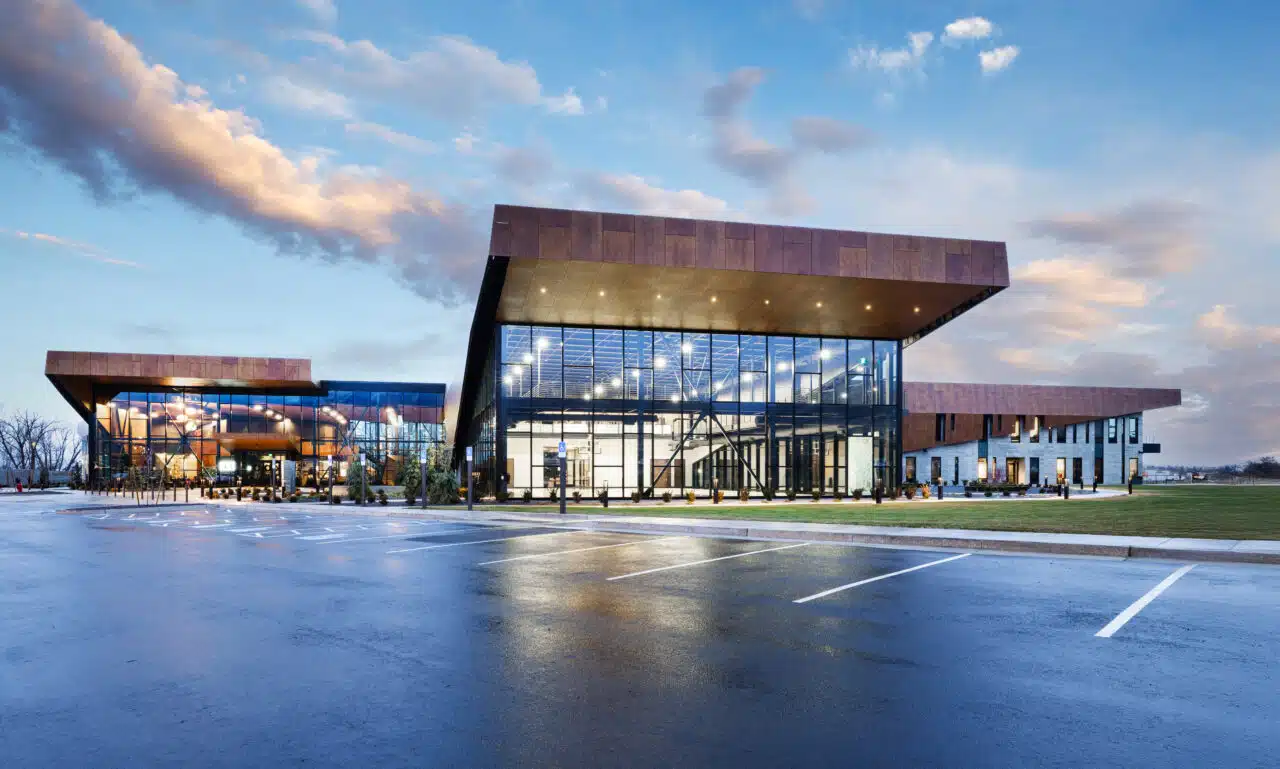
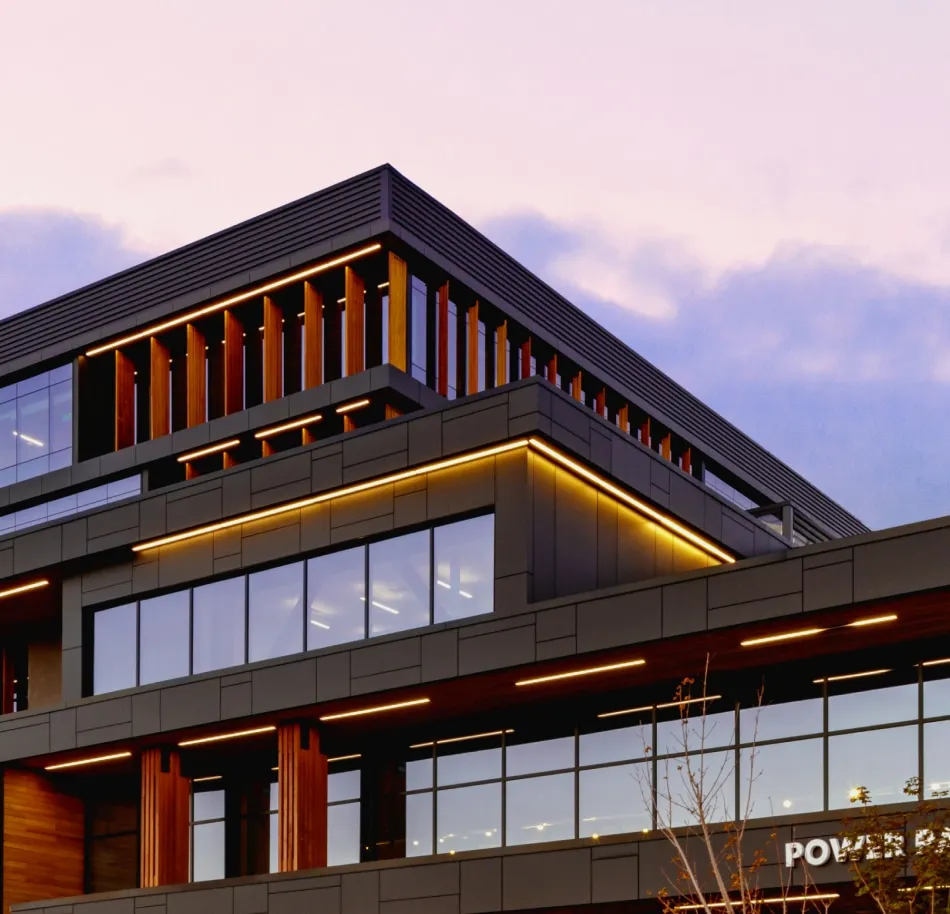
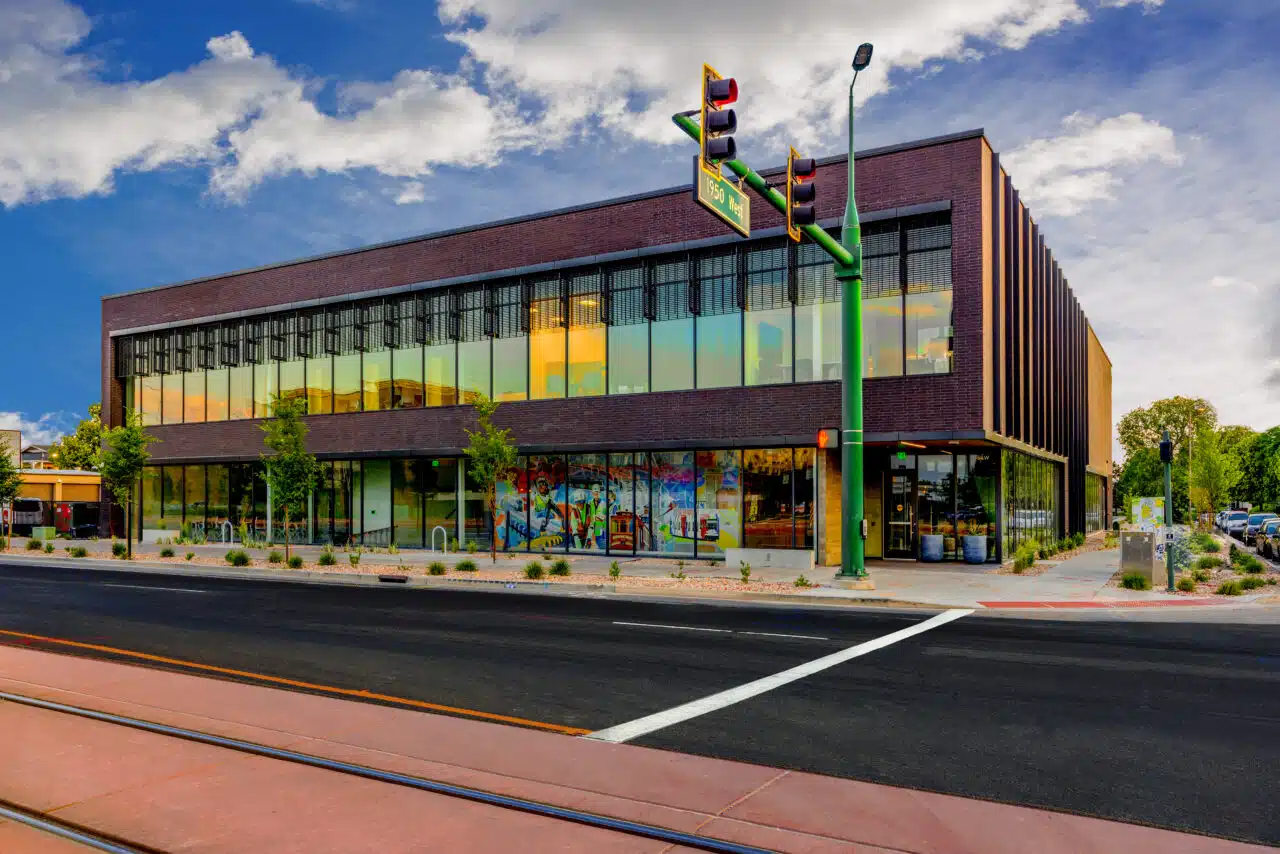
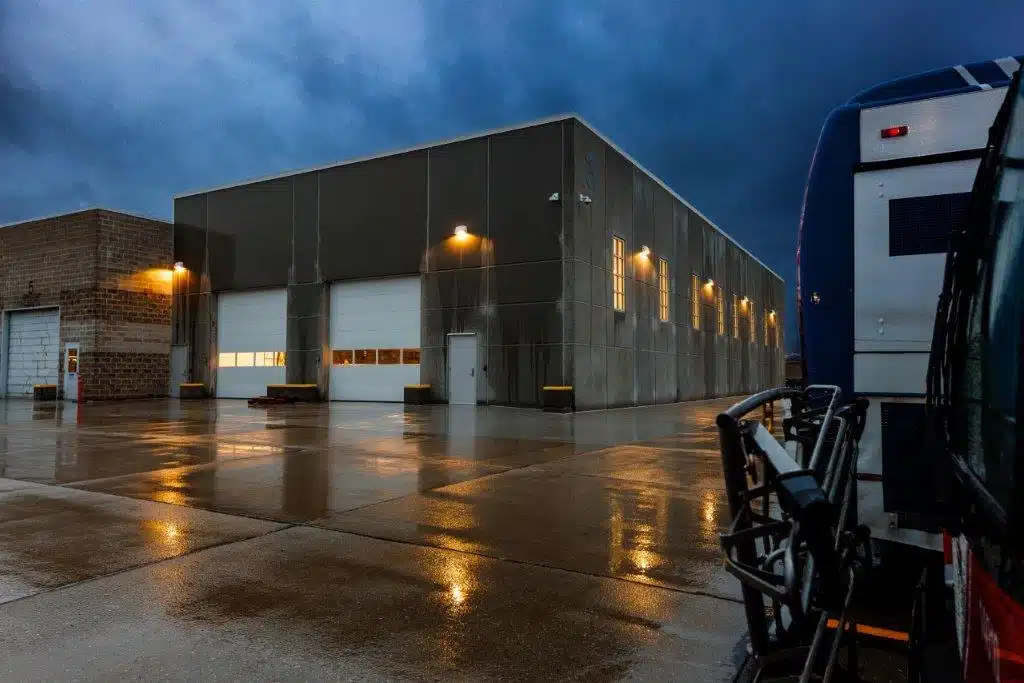
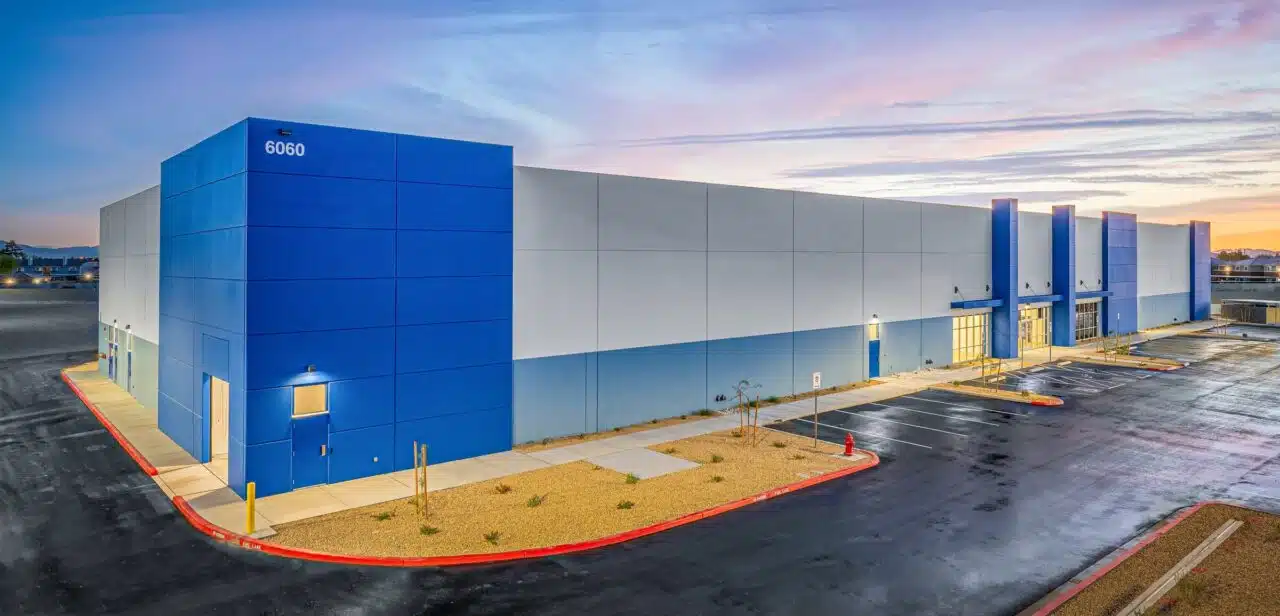
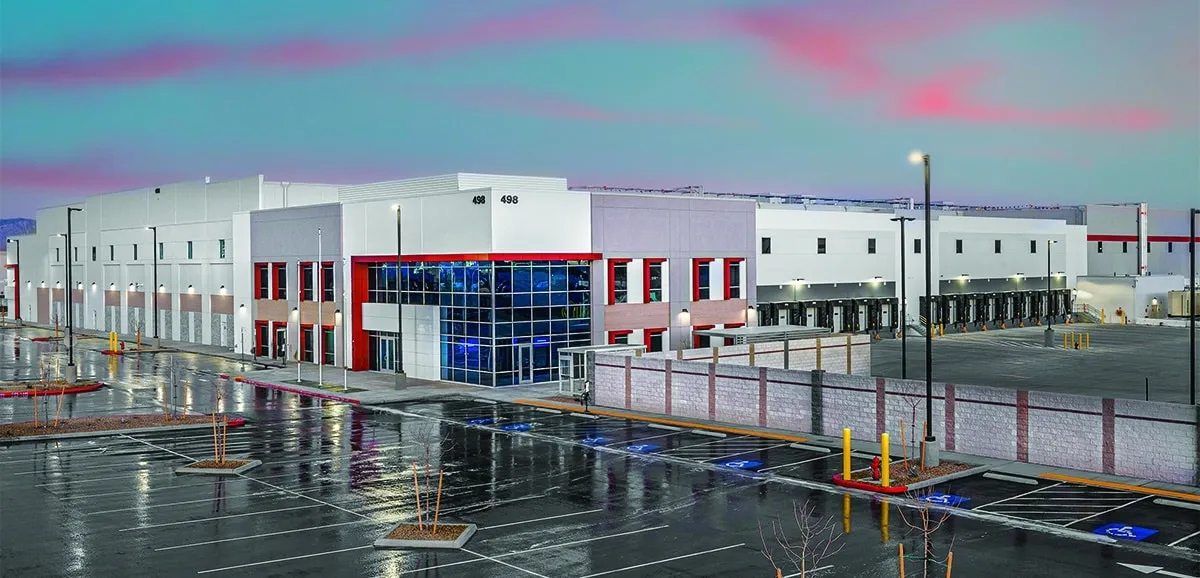
R&O provided the general contractor services for the new two-level corporate headquarters for Blackstone Products—an innovative, state-of-the-art facility designed to support the company’s continued growth. The building is a combination of steel, concrete and glass, complemented by insulated board-form tilt-up panels and an exterior superstructure finished with Prodema rainscreen cladding, delivering both architectural sophistication and high-performance durability.
Inside, the headquarters features a comprehensive research and development environment that supports product design, engineering, prototyping, and metal fabrication. A dynamic showroom, a fitness area, a full commercial kitchen, and a dining facility designed to accommodate 250 employees further enhance the workplace experience. At the heart of the building, a spacious common area, complete with interior trees and tiered lecture steps, serves as a vibrant hub for collaboration and gathering. Administrative office spaces are thoughtfully integrated to support efficient day-to-day operations.
The Weber Blackstone Headquarters elevates industry standards through its seamless integration of architectural vision, structural innovation, and high-performance materials. The building’s defining feature—a geometric superstructure clad in Prodema wood-composite rainscreen panels—creates a distinctive, lightweight aesthetic while delivering exceptional durability and weather resistance. Suspended on 277 custom-fabricated vertical steel trusses mounted to board-formed tilt-up concrete walls, the system required advanced coordination between fabrication, engineering, and installation teams.
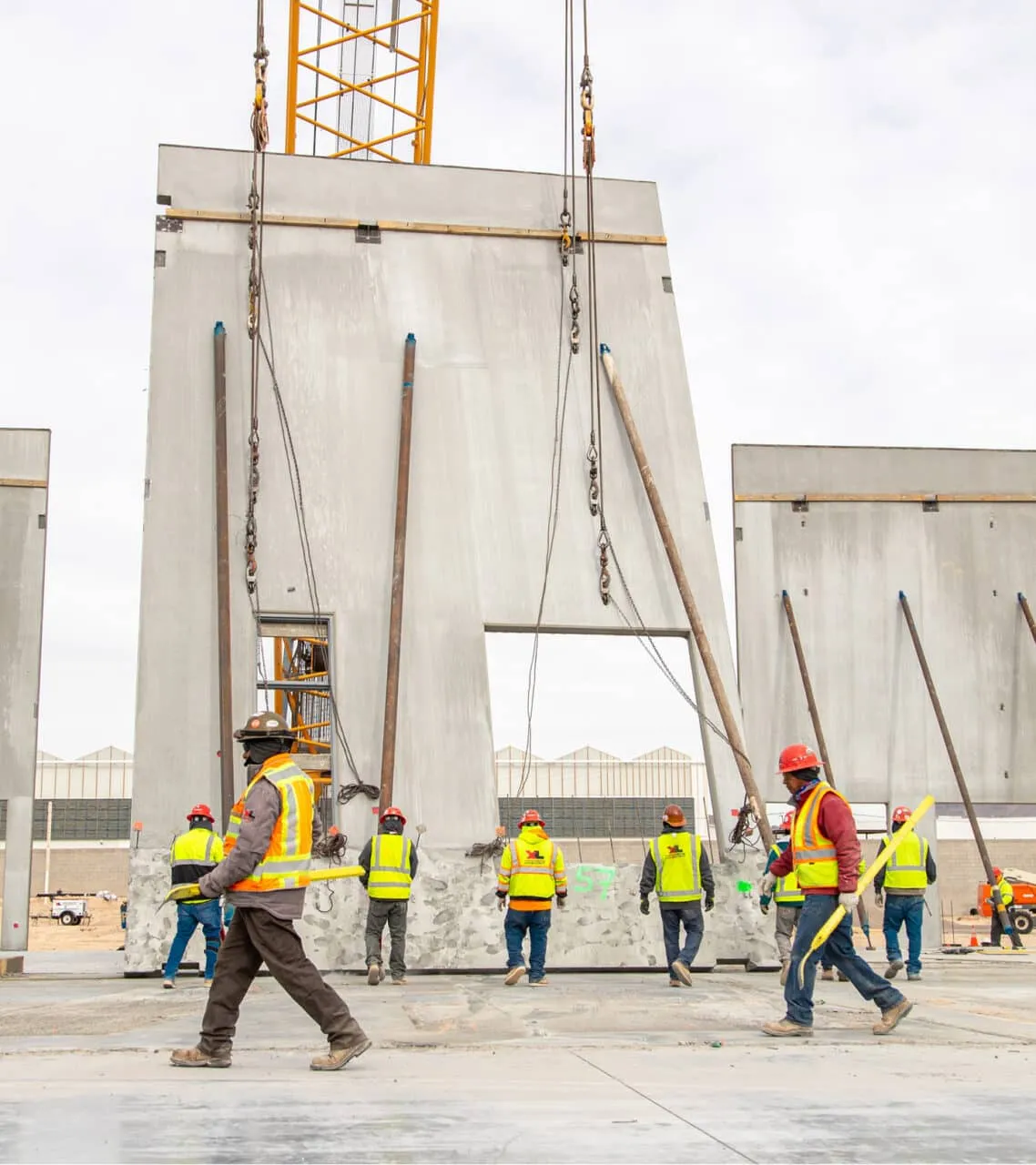
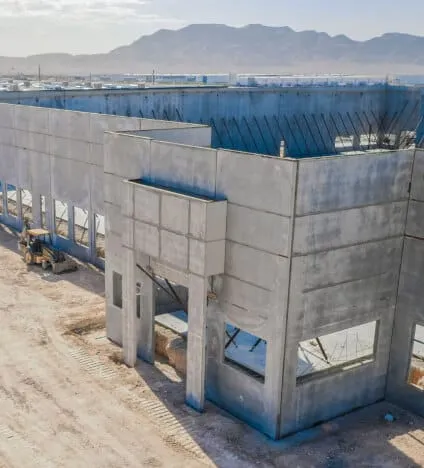
The project also demonstrates innovation in tilt-up construction. Sixty-five insulated sandwich panels were cast with custom board-form liners using varied cedar plank patterns, achieving a refined architectural finish typically associated with site-cast concrete. This approach combined energy performance, structural efficiency, and elevated design.
Inside, the headquarters blurs the boundary between indoor and outdoor environments. Structural steel-framed “boulder” collaboration pods with frameless glazing were engineered to house integrated MEP systems within compact footprints. The two-story common area with tiered collaboration stairs, interior trees, and polished concrete floors required precise detailing to balance aesthetics and functionality.
Programmatically, the facility integrates research and development labs, metal fabrication areas, test kitchens, a public-facing showroom, fitness amenities, and dining facilities for 250 employees under one cohesive design. The ability to expand mid-construction without disruption further demonstrates adaptability in modern corporate building delivery.
Collectively, the project showcases how thoughtful contractor leadership, early procurement planning, and technical precision can transform complex architectural concepts into buildable, durable, and high-performing spaces—setting a benchmark for future corporate headquarters developments in Utah and beyond.
Project Challenges:
Environmental Constraints & Regulatory Coordination
Construction began on a site bordered by wetlands, a high water table, and proximity to the Blacksmith Fork River. Early coordination with the Army Corps of Engineers was essential to secure permits and implement mitigation measures. The team installed environmental barriers and executed a four-month dewatering operation to prepare the site for foundations and more than 1,000 linear feet of utility infrastructure. Through proactive phasing and close collaboration with civil partners, the project advanced without environmental impact or regulatory delays.
Complex Envelope & Winter Construction
The architectural vision required 65 insulated board-formed tilt-up panels and a precision steel superstructure supporting 277 uniquely sized vertical trusses for the Prodema rainscreen system. With a nine-month material lead time and additional acclimation requirements, early procurement and detailed shop drawing coordination were critical. Structural concrete operations occurred during winter months, requiring heated enclosures and tight scheduling. Through strong trade partner alignment and daily coordination, the façade geometry and structural elements were delivered with exceptional precision.